
Tonight, we started things off a bit differently. The students were given a 5-minute challenge to rearrange the chairs in a manner they felt would be best for them to experience Jesus through the preaching and the worship. This was an intentional act. I wanted our students to first feel ownership over the room by establishing the look, but also it leans into today’s conversation about being intentional about positioning ourselves to experience Jesus.
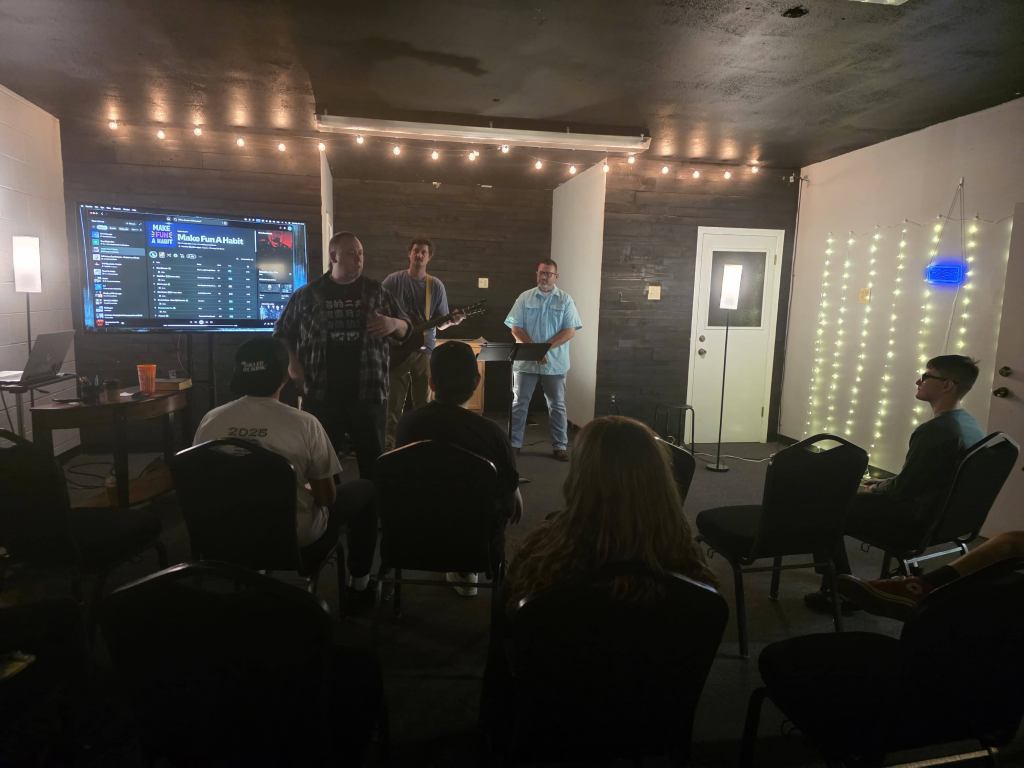
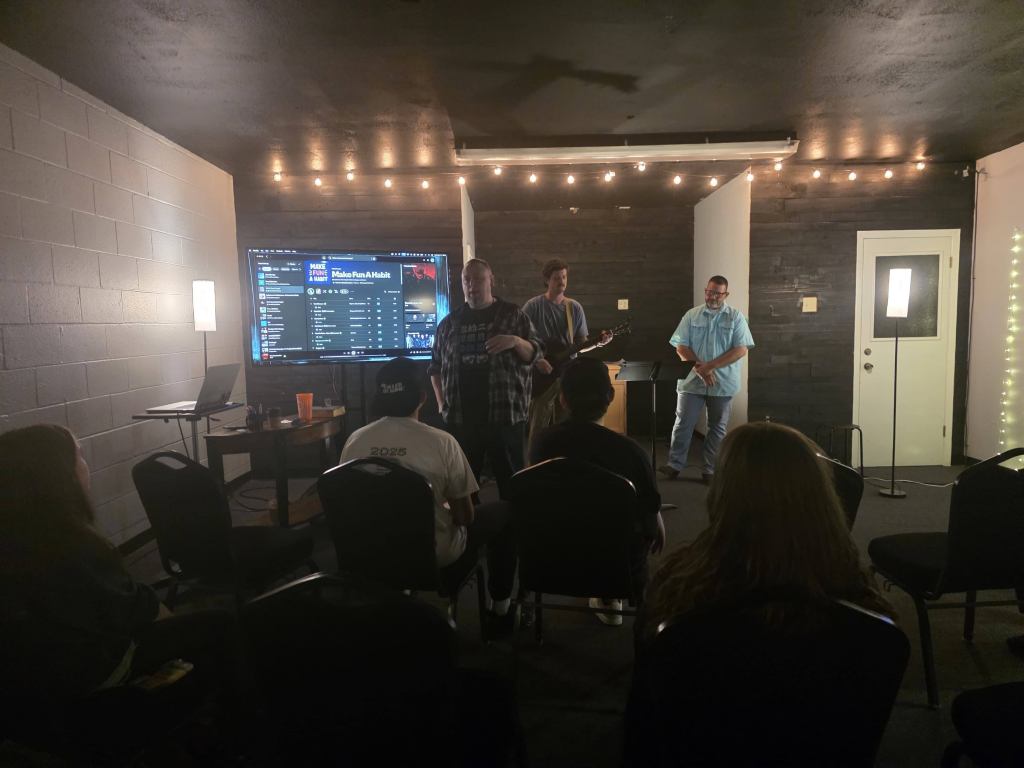
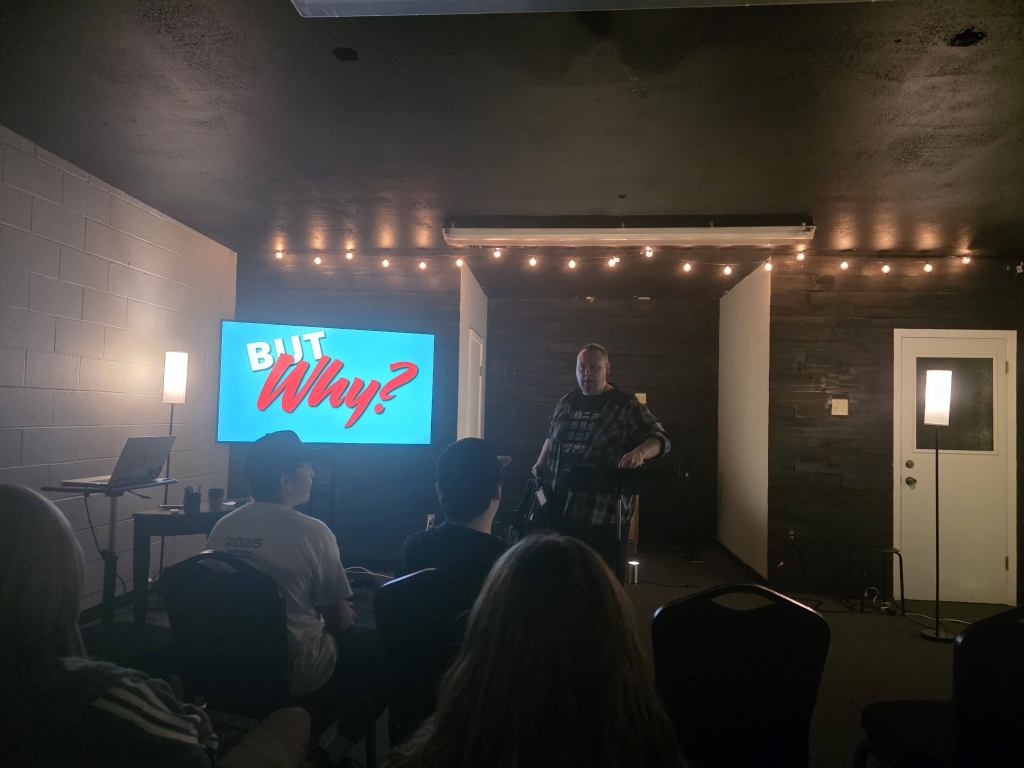
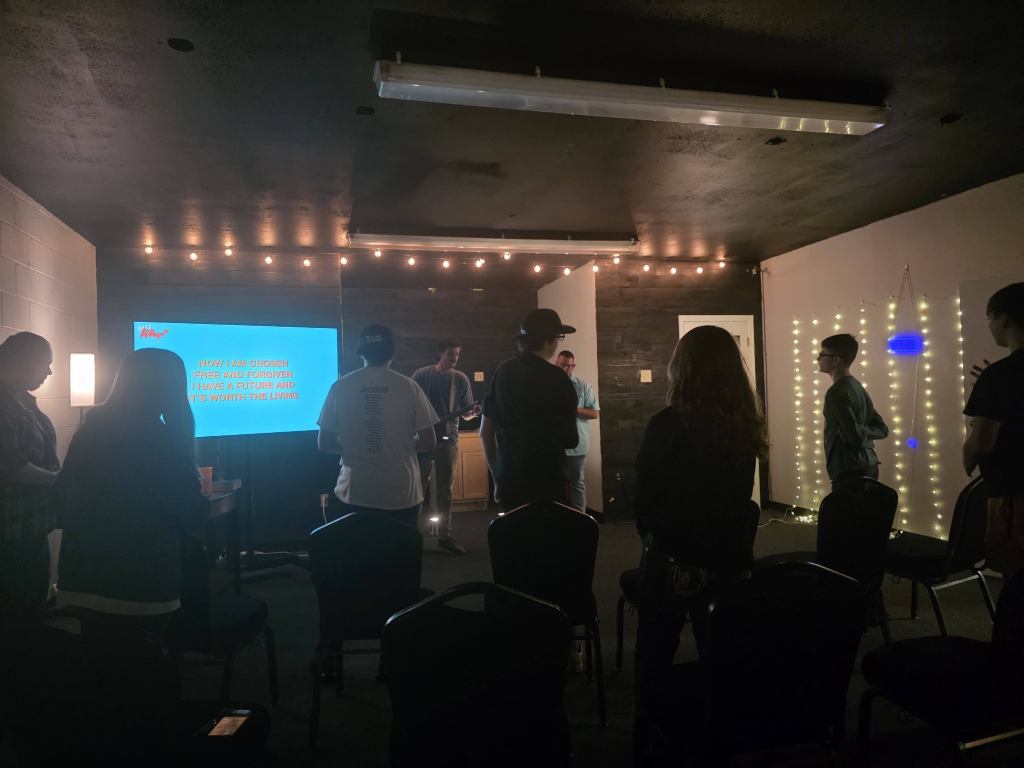
Over the last several months, we’ve been answering various questions that are essential to our faith. Is there a God? Can we trust the Bible? Is Jesus God? Last time we met, we talked about the reason we need the Holy Spirit. We talked about how he reminds us of what Jesus has said in the scriptures. He helps us to understand the scriptures and empowers us to be able to minister to people in various ways. The Holy Spirit’s role in our lives is essential for our growth. However, some believe that encountering the Holy Spirit, being filled with Him, is a one-time event. This week we are going to talk about another key aspect of our belief, which is why we should have continual encounters with the Holy Spirt and have multiple moments of being filled with the Holy Spirit.
This idea of multiple experiences with the Holy Spirit can be seen as early as the disciples, when in John 20, they received the Holy Spirit, and then once again in Acts 2. But I want to really focus on the why we need multiple experiences with the Holy Spirit.
To start this discussion, I want us to look at Paul’s writings in the book of Ephesians.
I need you to understand what’s happening in Ephesus. It’s an incredibly dynamic city with lots of merchants and people coming through. It became a central hub for many people and housed one of the great wonders of the world! The Church of Ephesus is an interesting church to which Paul writes. From what we can tell, they were doing really well at being active, healthy Christians. The book of Ephesians seems to be more a reminder of what they should believe and some encouragement on how to progress in their faith.
The problem was that this was a city that was deeply dependent on Pagan practices and beliefs that would naturally put pressure on Christians in their day-to-day life. The city was largely polytheistic, worshiping multiple things, but the primary aspect was their worship of Artemis of Ephesus. This became not just a personally held belief, but was part of the city’s very economic infrastructure. Their worship often involves various sacrifices, sexually immoral practices, and witchcraft.
To be honest, what the Christians in Ephesus were dealing with doesn’t sound too different from what we deal with today as Christians. We have a social structure that celebrates and pushes sinful activities and promotes them as natural and healthy. Many of these sinful things have become major money-making opportunities and even cornerstones of certain social groups. For Christians to take a stand to not be part of these things comes with a type of pressure that is hard to walk in at times.
So what are Paul’s words to the church? He is encouraging the local body, reminding them of who they are in Christ, and then gives them very specific instructions.
5:1-2 He calls for them to be imitators of God and to walk in Love as Christ.
5:3-5 He calls for them to stay away from sexual immorality and inappropriate speaking.
5:6-7 He warns them to stay away from people who pervert the truth and attempt to claim that these sinful things are actually ok.
5:8-14 He tells them to be intentional about discerning right and wrong and to expose the wrong things.
5:15-17 He challenges them to be intentional about keeping an eye on how they live their lives and understand what the will of God is.
This leads us to his next set of instructions that I want to focus on.
5:18 – And do not get drunk with wine, for that is debauchery, but be filled with the Spirit,
People were turning to vices that were destroying their lives. While Paul focuses on drunkenness here, we could overlay any number of sinful activities. His alternative to indulging in sinful activities was to be consumed with the Holy Spirit. The vocabulary “be filled” breaks down to mean “continually filled.” This means that we aren’t meant to have a one-time experience with the Holy Spirit, but a continual one. The idea here is that we are to be intentional about having opportunities to experience the Holy Spirit.
But why? When you’re in a close relationship with someone, you will change how you act and speak. As we talked about last week, the Holy Spirit’s presence in our lives has a huge influence in what we do and how we do it. The church in Ephesus was solid, but Paul recognized that they were in a difficult spot. If they were not intentional about their walk with God, about “walking in the spirit,” they would end up compromising and fall into sinful things.
If you, as a Christian, spend 90% of your time in a worldly environment where you’re being told sin is good and fine, and that the disciplines of our faith are a waste of time, and you’re not countering that time by actually walking with the Lord, then you will begin to compromise in your faith.
So what does it look like to be continually filled with the Holy Spirit?
Like with any relationship, there has to be an intentional action on your part to engage with that person. You have to be intentional about reaching out to that person. You have to be intentional about listening to that person. You have to be intentional about being present. So what do we do?
- We need to be intentional about being in the scriptures. The Bible is God’s word. If we are not intentional about reading it and trying to understand it, then we are putting up a major roadblock.
- We need to be intentional about being in prayer. We aren’t talking about quick prayers we say over dinner or before we take a test, but actually taking time to communicate with God.
Some struggle when they are told that this is what they need to do. The most common thing I hear a lot is, “I don’t have time.” But is that really the case?
As a practical step for today, we are going to break up into groups, and we are going to map out our days. We are going to go hour by hour and see what we are actually doing and not doing. Then, as a group, look at our schedules and see what we can do to be intentional about spending time with God, to experience our pouring out of the Holy Spirit.

