
To begin today’s gathering, we played a quick game inspired by the “Battle of Wits” scene from the Princess Bride.
In this scene, the Masked Man known as the Dread Pirate Roberts must outsmart the villainous Vizzini. In our game, I placed two glasses of water on the table, one with salt and one without. Over a minute, I had to encourage a student to take one of those glasses. The trick was… they didn’t know if I was trying to get them to drink the salt water or not. Why do this?
The students stepped up to the table with a preconceived idea of who I was and what I was doing. They knew who I was, but they also knew this was a game. This is where the challenge comes in… Am I the kind of person who would make a student drink something that doesn’t taste good or not? Would I make them do it just for the sake of the game? My language made it very clear which one I wanted them to drink. But in their mind, they were playing mental gymnastics. What they didn’t know was that both cups had clean water.
When someone new comes into a community, they walk in with a similar mindset. Some come in guarded having had poor experiences in the past. Others come in very fresh and are willing to take things at face value. Those who have previous experiences that aren’t good have their guards up as they look for certain words or phrases to cue them in that something may not be right. However, if they enter a Godly environment that genuinely shows them God’s love, even while they have their guards up, the more they hear the truth being delivered in the true love of Christ, the more they feel safe. On the other hand, someone who comes in fresh and takes everything at face value runs into a very different problem. If they are confronted with words and actions that contradict the love of Christ, we end up hurting them.





READ: Proverbs 18:21 – Death and life are in the power of the tongue, and those who love it will eat its fruits.
ASK: What does this mean?
This proverb serves as a reminder that there are consequences to our words, both good and bad. If we speak life, hope, and biblical love, then Godly things will take place. But if we speak ill of people, bad-mouthing them, then bad things happen.
Scriptures warn us to be careful with our words, both for those in our community and outside.
Read: Colossians 4:5-6 Walk in wisdom toward outsiders, making the best use of the time. Let your speech always be gracious, seasoned with salt, so that you may know how you ought to answer each person.
ASK: What does this mean?
Salt was used in the ancient world for a variety of purposes. It brought flavor, but it also preserved the food so that it would be fresher longer. It made sure that things did not spoil. Salting food was a process that took time and care. When we are making sure our speech is “seasoned with salt,’ it means that we should be careful with our words when we talk to people. We need to make sure that what we say points them back to Jesus, rather than pushing them away.
The question becomes, what does that look like?
Read: Ephesians 4:29-32
29 Let no corrupting talk come out of your mouths, but only such as is good for building up, as fits the occasion, that it may give grace to those who hear. 30 And do not grieve the Holy Spirit of God, by whom you were sealed for the day of redemption. 31 Let all bitterness and wrath and anger and clamor and slander be put away from you, along with all malice. 32 Be kind to one another, tenderhearted, forgiving one another, as God in Christ forgave you.
ASK: According to this passage? What should our speech look like?
It shouldn’t be corrupt, filled with foul language, or demeaning.
It should be full of things that encourage, inspire, and uplift people.
Should not be full of bitterness, wrath, and anger, full of complaints, and slander.
It should be kind, tenderhearted, and full of forgiveness.
At the end of our discussion, I took our students to a blackboard where I wrote “August 2025 to August 2026.” Here, I challenged our students to speak life over our group and the students who will be joining our student ministry in just a few weeks. I asked them to write on the board what exactly they want people to experience when they come here.

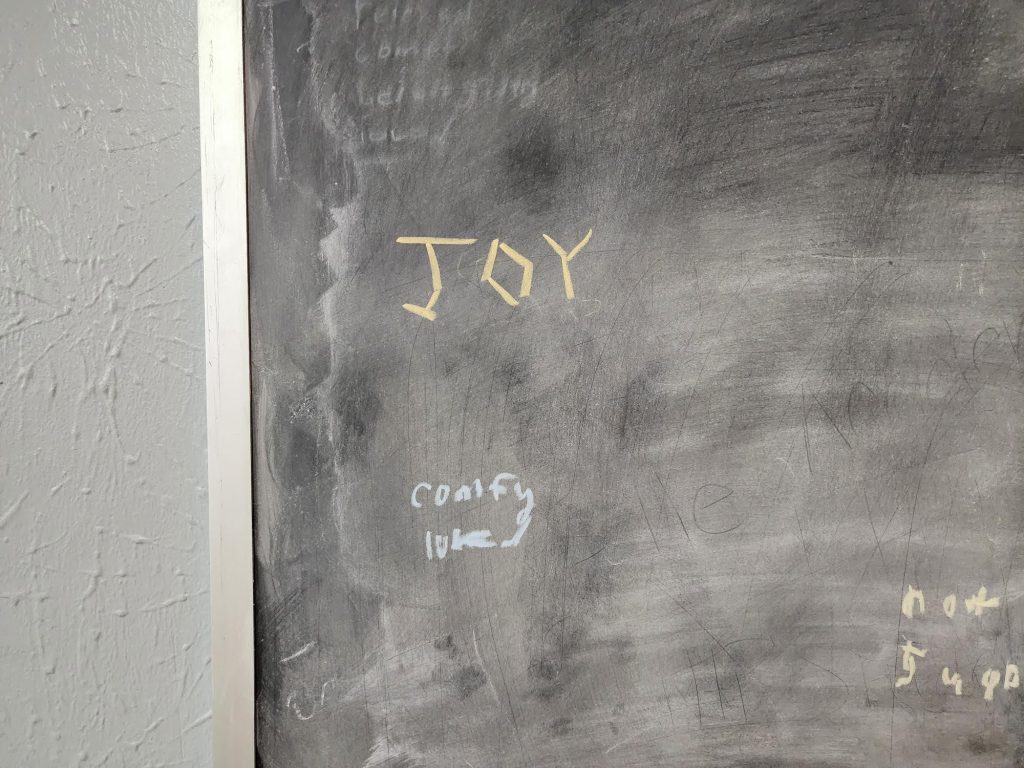

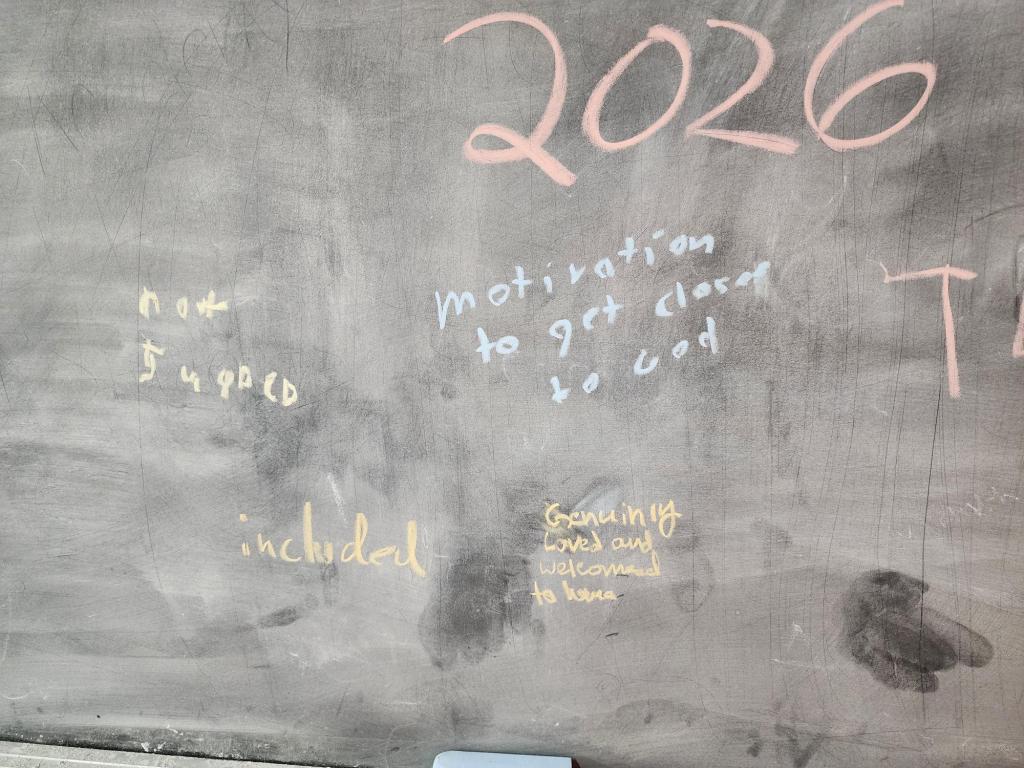
Then I gave them a final challenge:
By next week, tell me what you’re willing to do, to make sure these things happen this year?
 Adventures in Student Ministry