
Over the last several week’s we’ve been diving deep into a conversation about our spiritual go bags. We’ve discussed the scriptures, meditation, prayer, and last week, we explored silence and solitude. Today, we are going to discuss one last essential thing that we all need.
When you’re in the wilderness, one of the things they say you need is a way to make fire.
ASK: Why would you need to make a fire?
There are many reasons to have a fire. Fire allows us to cook. It allows us to sanitize things. It creates warmth. Throughout human history, wherever a campfire was made, mankind could gather and thrive.
NOTE: As we explained this and as students answered the question, we used a device to start a fire.


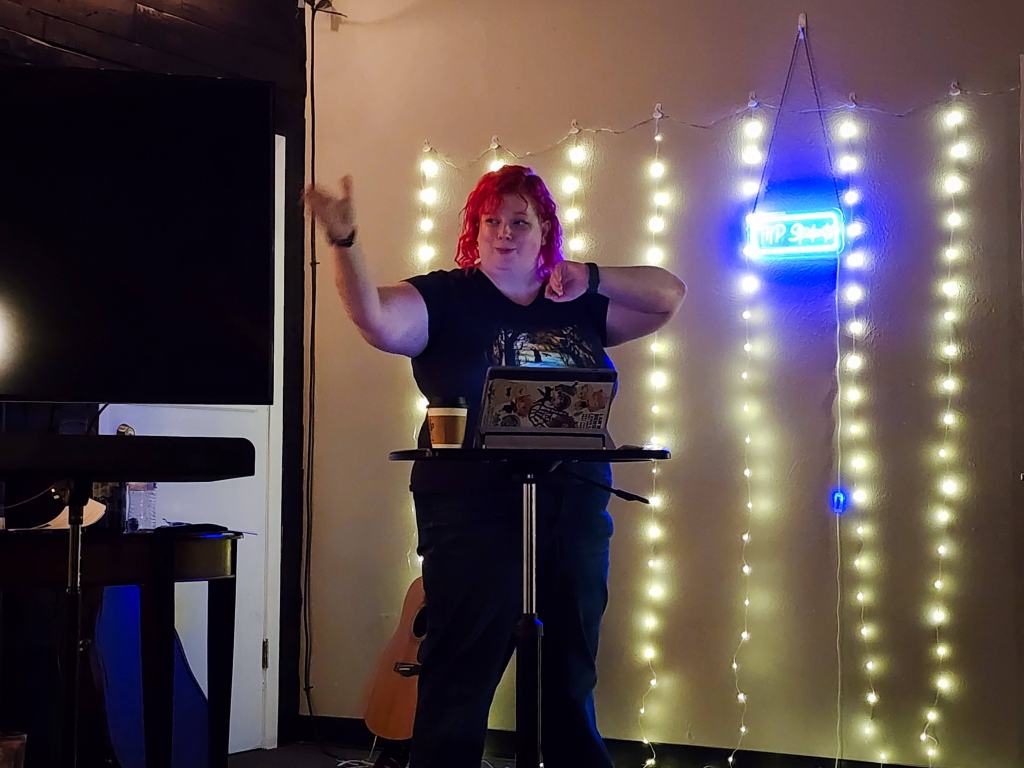
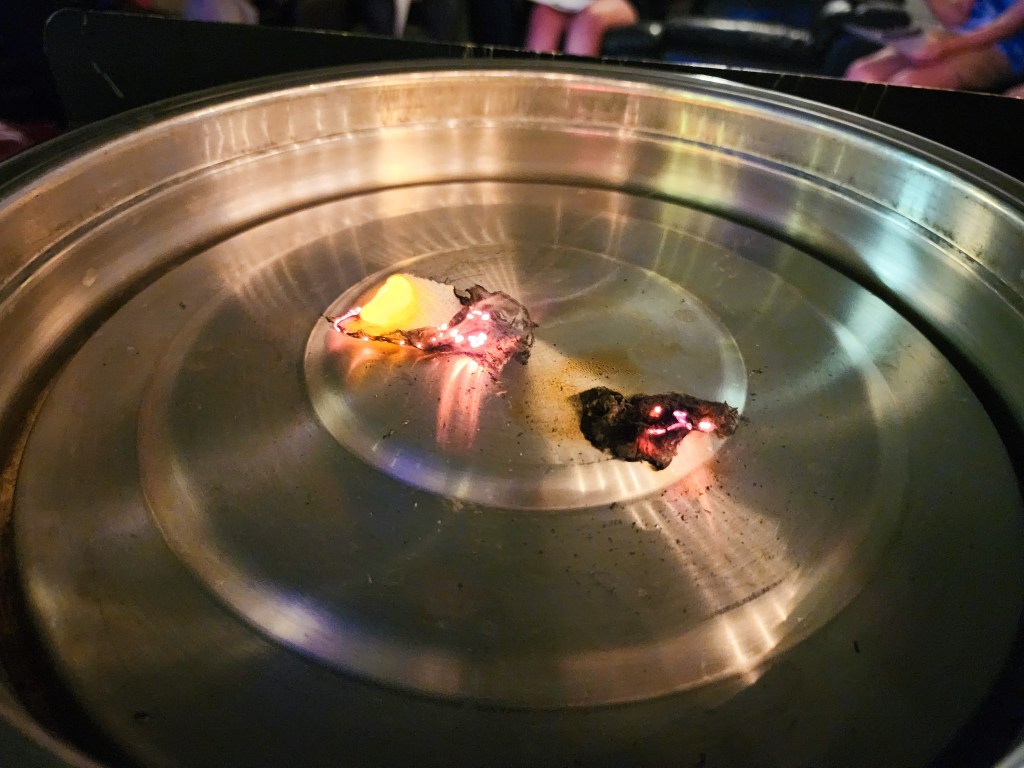


NORMALLY, you can’t create fire with the help of friction. Today we are talking bout a unique friction that is essential.
Before we begin, I want you to finish these phrases
Confession is good for the _________________ (soul)
Confess your sins and be __________________ (healed)
He confessed to the ____________________ (crime)
ASK: How do police gain a confession from a criminal?
There’s various ways, but they generally all involve spending time with the criminal and being intentional about observing things.
READ James 5:16 Therefore, confess your sins to one another and pray for one another, that you may be healed.
James instructs us that confession should take place in community and that confession leads to healing. Whether that involves physical, emotional, or spiritual healing can be debated, but what cannot be argued is the restoration of the relationship, which often occurs through confession.
READ: Proverbs 28:13 He who conceals his sins does not prosper, but whoever confesses and renounces them finds mercy.
Confession helps you to not only be healed of the effects of sin, but also to avoid sin. When you confess to an individual who can help you overcome sin. The context of these passages revolves around sin, but there is a deeper conversation about confession that extends beyond just sin. It’s revealing matters of the heart. There is a confession of things that bother us, make our hearts sick, and things that keep us from moving forward.
ASK: What keeps people from confessing either deep-rooted sin and other issues of life?
For many, it can be a matter of pride and ego. For some, feelings of shame or embarrassment arise. They are afraid to share these things because they are afraid people will look down on them, or they are afraid of disappointing others.
A distinguished author named Richard Foster once wrote, “Confession is so difficult a Discipline for us partly because we view the believing community as a fellowship of saints before we see it as a fellowship of sinners.” Meaning we sometimes think of others as being perfect, and in that view, we shame ourselves for not being on their level. No one at our church is perfect. We all have struggled and struggle with certain things.
An early church leader named Augustine of Hippo once said, “The Confession of evil works is the first beginning of good works.”
ASK: What does that mean?
This principle makes it clear that we can’t start doing the right thing until we’ve confessed the wrong thing. When we are so bound up in fear and guilt about the sin, doubts, and struggles of life that we can’t even share them, the enemy holds us in demonic bondage that continues to victimize us.
A famous theologian named Dietrich Bonhoeffer wrote, “A man who confesses his sins in the presence of a brother knows that he is no longer alone with himself; he experiences the presence of God in the reality of the other person.” This line is talking about the unique relationship between Confession and Fellowship. It’s a divine union that we are going to break down a bit more here.
ASK: How much info is too much info?
There’s no right or wrong answer for this question. The reality is that the answer is found in the question of “how close am I to the person I’m talking to?”
When seeking someone who shares your heart with, you have to find a person you can truly trust. However, the great irony is that trust is something that must be built. This means we need to take the time to invest in each other and build that trust.
ASK: How do you build a relationship with someone?
- Time
- Commitment to honesty
- Activity
- Conversation
Richard Foster writes, “Freedom begets freedom. ”When you are transparent with a trusted friend, it empowers that person to find liberty from their own sin.”
Dallas Willard writes that confession must “function with fellowship.” The two are inseparable. Through confession, you could find the intimate friendship and acceptance for which you have longed.
This is where the friction occurs. If this is done correctly, we can create the fire we need to survive:
Without fellowship, you will not have confession. But without confession, you will never have deep fellowship.
For us to truly grow beyond a surface level of friendship with others, we have to share our hearts. However, for us to do that, we must be able to trust each other. That requires us all to be humble, to have grace for one another, and to walk with the mindset that God cares for each one of us, and so we should too.
 Adventures in Student Ministry